Introduction
In emergencies where someone's heart quits beating or they quit breathing, recognizing what CPR stands for and just how to execute it can suggest the distinction between life and fatality. Cardiopulmonary resuscitation (CPR) is a lifesaving method that is critical for any person looking to be prepared in situation of a clinical emergency situation. This thorough overview intends to study the definition of CPR, discover its value, and give an extensive understanding of just how it connects with first aid techniques.
Whether you're taking a first aid course or are simply interested about just how you can help in an emergency situation, this short article will cover every little thing you require to recognize. We'll dive into its historic context, existing techniques, and ideal methods while likewise highlighting the relevance of being accredited in CPR via different approved programs.
What Does CPR Stand For? Recognizing Cardiopulmonary Resuscitation
The phrase CPR means Cardiopulmonary Resuscitation https://manuelqmbt261.raidersfanteamshop.com/why-choose-a-first-aid-course-gosnells-your-complete-overview It involves 2 crucial elements: "cardio," describing the heart, and "pulmonary," associated with the lungs. The main purpose of CPR is to maintain blood flow to vital organs until specialist medical aid arrives or typical heart function is restored.
The Significance of CPR in Emergencies
CPR is essential in a number of scenarios, including cardiac arrest, sinking, choking occurrences, and other scenarios resulting in unfamiliarity or unresponsiveness. According to studies from companies like the American Heart Organization, efficient CPR can increase or even triple a victim's opportunity of survival.
Why Needs to Every person Learn CPR?
Learning CPR gears up individuals with abilities that can save lives. In most cases, spectators are the very first responders before emergency situation workers get here. Being fluent in cardiopulmonary resuscitation permits you to act quickly and confidently when every 2nd counts.
History of Cardiopulmonary Resuscitation
Early Techniques for Revitalizing Individuals
The beginnings of CPR date back centuries earlier. Historic records show that approaches similar to modern resuscitation were practiced as early as 3000 B.C., mainly concentrating on mouth-to-mouth techniques for revitalizing sinking victims.

Modern Developments in CPR Techniques
In the 20th century, substantial improvements were made in understanding cardiac arrest and its therapy. In 1960, Dr. Peter Safar introduced mouth-to-mouth resuscitation combined with breast compressions-- laying the groundwork for what would become called modern CPR.
CPR Techniques: Basics You Need to Know
A Step-by-Step Guide: Exactly How to Execute CPR
To properly perform CPR, it's vital to follow a methodical technique:
Check Responsiveness: Delicately shake the individual and ask if they're okay. Call for Help: If there's no feedback, phone call emergency services immediately. Determine Breathing: Try to find normal breathing; if not existing or abnormal (wheezing), start compressions. Chest Compressions:- Place your hands on the facility of the individual's chest. Keep your elbows straight. Compress hard and fast at a price of 100-120 compressions per minute.
- After 30 compressions, provide 2 rescue breaths. Ensure proper head tilt-chin lift setting prior to supplying breaths.
Hands-Only vs Conventional CPR
Many people ask yourself whether hands-only or conventional CPR is much more efficient. For grownups who fall down due to cardiac cpr gosnells arrest outside a health center setup, hands-only CPR has shown just as reliable-- making it easier for untrained bystanders to interfere without anxiety of improper technique.
First Help Course: Linking Knowledge Gaps
Importance of Completing a First Aid Course
Taking a first aid training course not only helps one comprehend fundamental strategies but also provides useful insight right into various emergency situation scenarios past simply heart attack situations. These programs frequently cover numerous topics such as injury monitoring, choking relief strategies, and making use of an Automated External Defibrillator (AED).
Finding First Aid Courses Near You
If you're searching for neighborhood possibilities:
- Search online for "first aid program near me". Local hospitals or community centers often offer programs. Check platforms like FirstAidPro or Red Cross for scheduled classes.
DRSABCD Approach Explained
What is DRSABCD? A Lifesaving Acronym
The DRSABCD approach acts as an easy-to-follow guideline during emergencies:
D-- Danger: Analyze the scene for any kind of threats. R-- Response: Examine if the individual is responsive. S-- Send out for Help: Call emergency situation services immediately. A-- Airway: Ensure their respiratory tract is clear. B-- Breathing: Check if they're breathing normally. C-- Compressions: Beginning upper body compressions if not breathing. D-- Defibrillation: Use an AED if readily available as quickly as possible.Each action builds upon one another ensuring you remain concentrated during high-pressure situations.
Mental Health and wellness First Aid & Its Connection with Physical Emergencies
Understanding Mental Health and wellness First Aid (MHFA)
While traditional first aid concentrates on physical health situations, Mental Health First Aid addresses psychological emergencies such as anxiety attack and severe stress and anxiety episodes.
Combining Physical & Mental Health Support
Being proficient in both physical first aid (like recognizing what does cpr represent) and psychological wellness first aid enhances your ability to provide comprehensive assistance throughout emergencies-- helping you attend to both outward injuries and emotional trauma simultaneously.
FAQs About Cardiopulmonary Resuscitation
FAQ 1: What does the acronym "CPR" stand for?
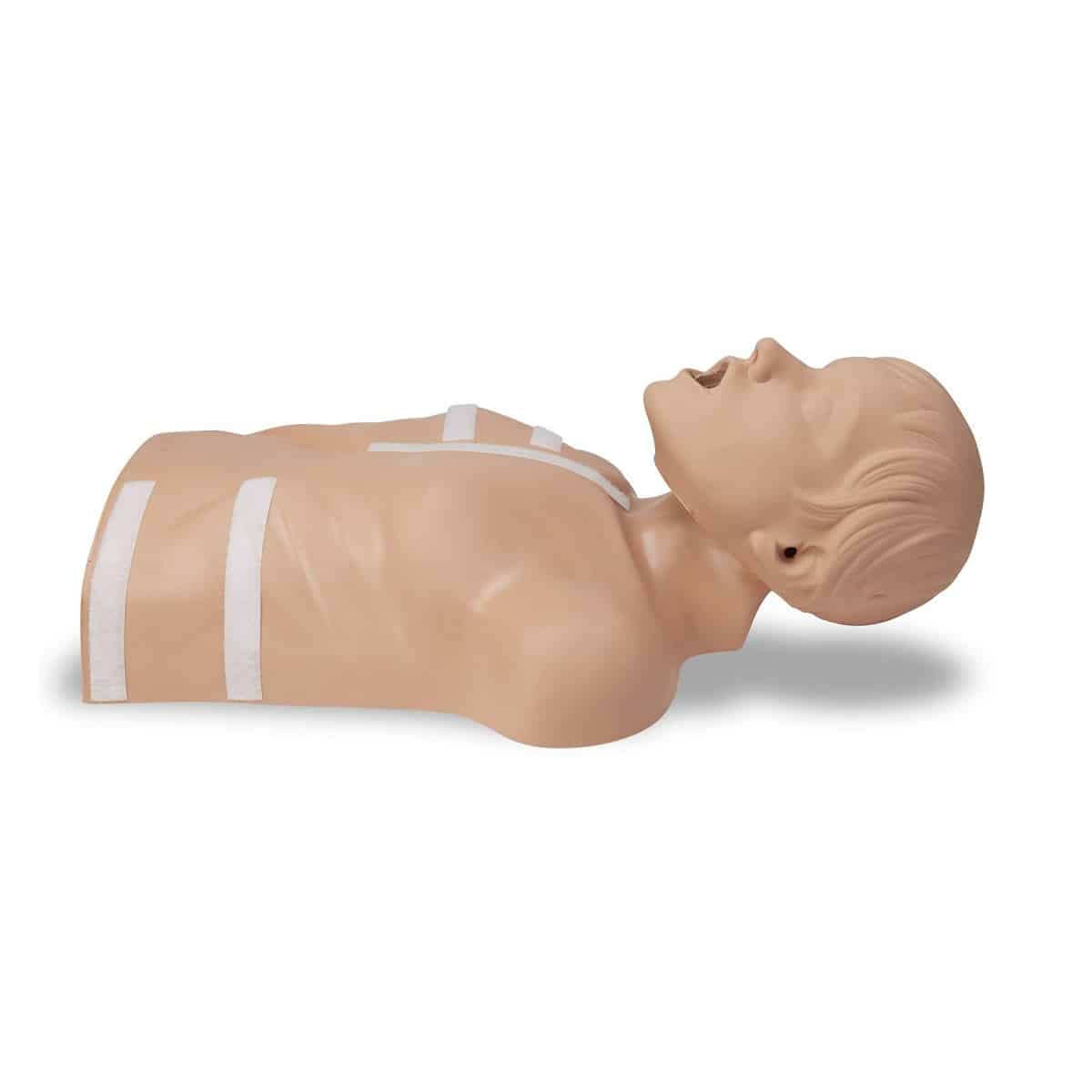
CPR means Cardiopulmonary Resuscitation-- a life-saving procedure carried out when somebody's heartbeat or breathing has stopped.
FAQ 2: Why is learning CPR important?
Knowing exactly how to carry out CPR can considerably enhance survival chances throughout cardiac arrest or respiratory system failing scenarios till specialist assistance arrives.
FAQ 3: Do I require accreditation to do CPR?
While anybody can attempt it throughout an emergency scenario without certification, getting official training via accredited training courses enhances efficiency and self-confidence when doing life-saving techniques.
FAQ 4: How much time does my first aid certificate last?
Typically, many first aid certificates are valid for three years before needing renewal with refresher courses or re-certification classes.
FAQ 5: Is there an age requirement for discovering CPR?
No specific age requirement exists; children can find out simplified versions suitable for their skill level while still being valuable in emergencies!
FAQ 6: Can I take an online first aid course?
Yes! Numerous companies currently offer on the internet first aid programs that include thorough training on both physical first aid techniques and mental wellness first aid basics.
Conclusion
Understanding what does CPR represent-- and mastering its application-- can equip anyone with critical abilities needed throughout emergencies where time matters most. Whether you're interested in formal training via a recognized institution like FirstAidPro or merely desire understanding on basic life support methods, having this knowledge might save lives-- not simply your own but those around you as well!
Don't undervalue how much impact knowing these skills can have; it deserves spending time into learning them properly! So why wait? Register today at your neighborhood center offering appropriate programs close by-- you never ever understand when you'll require these very useful skills!